
MHEALTH
Learn more about the use of mHealth technology
in the mental health space

Can mHealth technology be used to save costs ?
According to an article published on Harvard Business Review, digital health tools have the potential to provide effective, low-cost ways to prevent and treat chronic illnesses. The article states that these technology-based solutions that have a clinical impact on disease comparable to that of a drug, and they use consumer-grade technology such as mobile devices and big data analytics that can be deployed in real-time and at scale, which is critical for the management of chronic diseases.

Smartphones as data-collection tools for mental health
Smartphones are promising data-collection tools for mental health, since there are are already 4.5 billion mobile phone users world-wide.
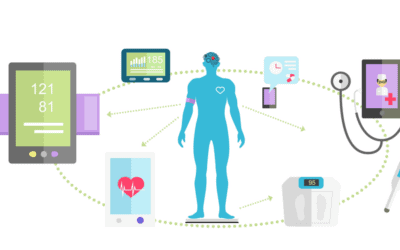
MHealth, a scalable and cost-efficient solution for mental healthcare
Preventive measures such as mental health promotion and early intervention are the most cost-effective way to tackle mental illness on a global scale. Mobile health (mHealth technology) provides doctors, researchers and the general population with new ways to monitor a patient’s progress, access self-help tools, and increase understanding of mental well-being.

Hospital policies make it tougher to get high-quality inpatient mental health treatment
Technology start-ups are disrupting many existing business models, including the insurance industry. Most of the current trends in the insurance industry have technology as a driver. By 2020, the global Internet of Things market is expected to reach 1.7 trillion USD, and the number of connected devices is expected to reach 29.5 billion.

MHealth, a cost-efficient solution for insurance companies
Technology start-ups are disrupting many existing business models, including the insurance industry. Most of the current trends in the insurance industry have technology as a driver. By 2020, the global Internet of Things market is expected to reach 1.7 trillion USD, and the number of connected devices is expected to reach 29.5 billion.

Using apps for mental health
Improved awareness and recognition of mental health problems and their complexity puts pressure on health systems to increase care. In turn this stimulates exploration of the potential value of software applications (apps) run on mobile devices

Using voice analysis to identify peaks on bipolar disorder
Clinical observations suggest that changes in speech features have been suggested as valid measures, to identify periods of depression and mania in bipolar disorder. For instance, reduced speech activity may be considered a symptom of depression, and increased speech activity may predict a switch to hypomania.
Smartphone apps to improve mental healthcare
According to the Ecnp/EBC Report 2011, 165 million people or 38% of the population in Europe are affected by a mental illness every year. The successful treatment of mentally-ill individuals depends on some factors, and medication alone is not sufficient. There are various methods of treatment which they often include a mixture of therapy, self-help, and medication.

Clinicians to monitor cardiovascular disease markers for teens suffering from mental illness
According to a recent statement by the new American Heart Association (AHA), major depressive disorder and bipolar disorder should be recognized as moderate risk factors for atherosclerosis and early cardiovascular disease.
Caring for carers (Infographic)
Family caregivers are essential in helping people suffering from mental illness integrate into the community. However, this role is often challenging and has a huge impact on the caregiver's personal life.