Feb 16, 2016
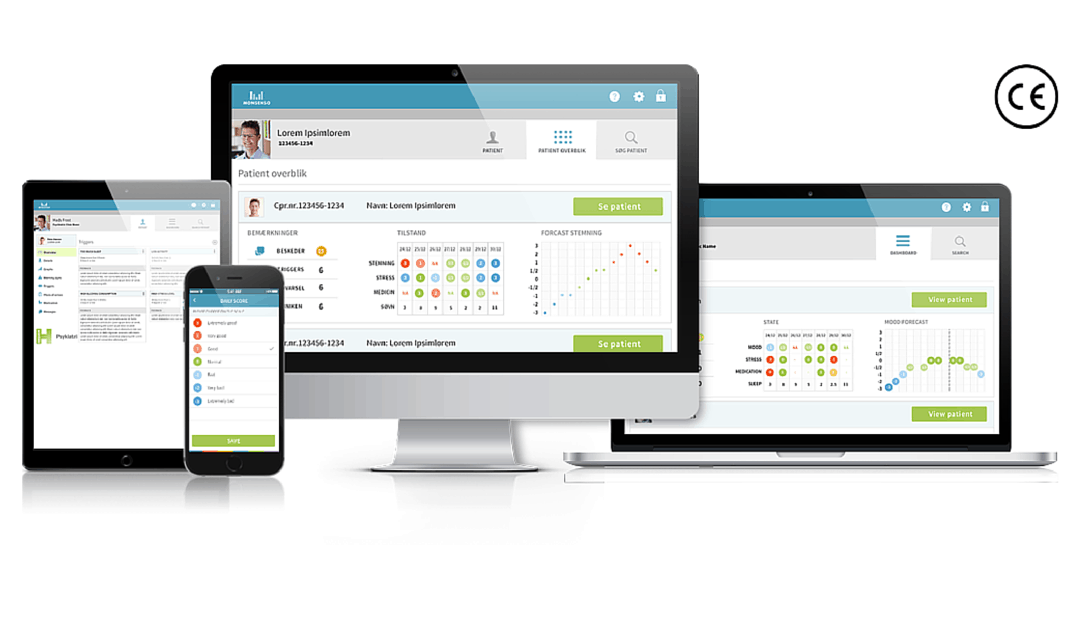
Copenhagen, Denmark – 16 February 2016. Monsenso ApS, a technology leader in mobile health solutions for mental health, today announced that last Friday, its mHealth solution received a CE Mark. The double-loop treatment platform that supports the treatment of major psychiatric disorders received a Class 1 Medical Device Certification under the EU Medical Devices Directive.
The certification has been obtained due to the support received from the Market Development Fund (MMF) in May 2015, which granted 2.9 million to DKK for Monsenso and its partners to obtain the necessary certifications for the solution to be ready for an international launch.
With regards to obtaining the CE Marking Certification, Thomas Lethenborg, CEO at Monsenso, commented “Obtaining this certification is an important milestone for Monsenso since our mHealth solution is based on solid research and has already been clinically validated. Our objective with this certification is to be regarded as a medical application rather than just another app.”
A CE Marking Certification guarantees that a manufacturer’s product meets the essential requirements of all relevant European Medical Device Directives.
“Holding a CE Marking Certification and offering a high level of data security is a demand from our customers across the globe. Therefore, it is important that Monsenso can distinguish itself from all other apps with no clinical evidence or inadequate security measures” added Mr. Lethenborg.
The next step for Monsenso is to obtain the ISO 27001 Data Security Certification, the ISO 13485 Certification, and to become HIPAA and FDA compliant, which is also part of the support granted by the MMF funding.
For additional information contact:
Jennifer Highland
Marketing and Communications Manager
Monsenso
+45 81 71 7713
highland@monsenso.com
You can download this article as PDF in English and Danish
Feb 9, 2016
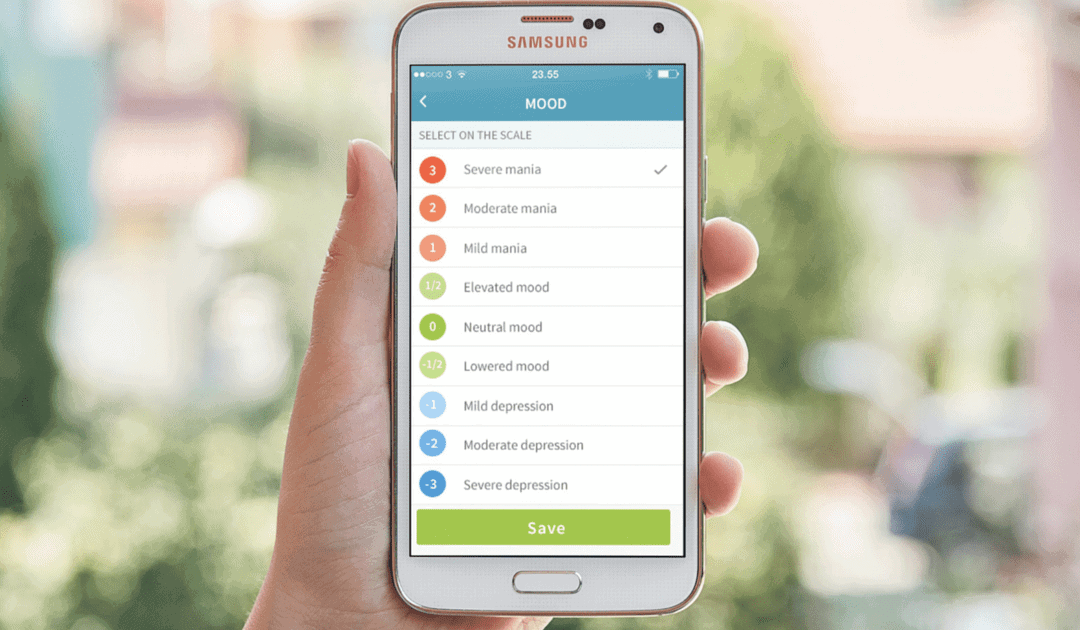
Copenhagen, Denmark – 9 February 2016. Monsenso ApS, a Copenhagen-based technology company, has been granted 3.065 million DKK by the Innovation Fund to develop further develop their mHealth solution that aims to reduce hospital readmissions of patients with depression and bipolar disorder.
The RADMIS research project, which has been granted a budget of 10.1 million DKK by the Innovation Fund, is being done in collaboration with the Mental Health Services of the Capital Region of Denmark (RHP) and the Danish Technical University (DTU).
Depression and bipolar disorder are the leading cause of disability worldwide, imposing a very high burden for society in terms of cost, lost productivity, and mortality. Besides, patients with affective disorders are hospitalized more frequently than any other patient group. The treatment of depression and bipolar disorder includes medication, psycho-education, and Cognitive Behavioral Therapy (CBT).
The RADMIS research project aims to establish clinical evidence that the Monsenso mHealth solution can reduce the number of hospital readmissions of patients with depression and bipolar disorder. It also seeks to decrease the symptoms and improve the quality of life of outpatients with depression or bipolar disorder receiving smartphone-based CBT.
Since smartphones are equipped with powerful sensing, computation and communication capabilities, they provide a unique platform to monitor and treat patients with depression and bipolar disorder. Moreover, smartphones also provide a rich multi-media and communication platform for Ecological Momentary Intervention (EMI) enabling patients to receive context-aware treatment in real-time, including medication reminders and CBT.
The innovation goals of the RADMIS research project are to:
- Research, design, and develop an intelligent smartphone-based monitoring and treatment platform for affective disorders
- Provide clinical evidence to reduce the number and duration of hospital re-admissions of patients with depression and bipolar disorder using smartphone-based treatment
- Provide clinical evidence that smartphone-based CBT improves the health outcomes for patients with depression and bipolar disorder
With regards to the new capabilities that will be added to the Monsenso mHealth solution, Thomas Lethenborg, CEO at Monsenso commented, “This intelligent smartphone-based monitoring and treatment platform for depression and bipolar disorders is the first of its kind; there are no similar solutions available on the market.”
“Once the clinical trial is completed, we will have the necessary evidence to prove that smartphone-based CBT helps reduce hospital readmissions of psychiatric patients. Besides, it allows health care systems to reach out to the 75% of the population in Europe who need treatment, but remain untreated,” added Mr. Lethenborg.
For additional information contact:
Jennifer Highland
Marketing and Communications Manager
Monsenso
+45 81 71 7713
highland@monsenso.comYou can download this article as PDF in English and Danish
Feb 1, 2016
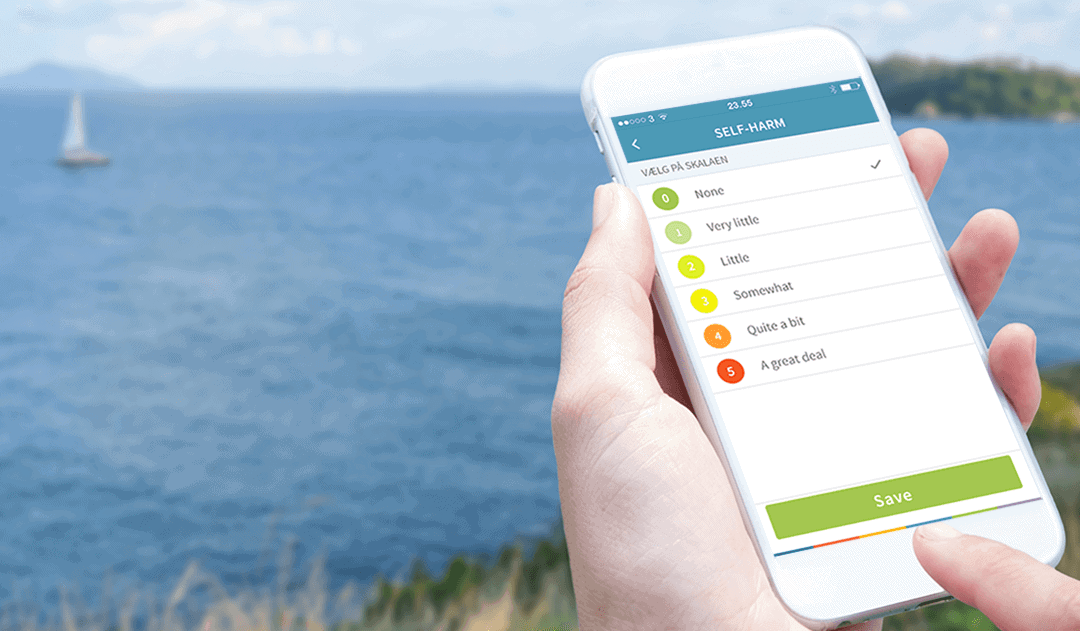
Monsenso will begin clinical trials of smartphone-based DBT (Dialectical Behavioural Therapy) for patients with Borderline Personality Disorder in collaboration with the Mental Health Services in the Region of Southern Denmark (MHS).
Smartphone-based DBT
The objective of the mDiary Study is to evaluate the Monsenso mHealth solution for borderline patients with respect to reliability, validity and clinical efficacy as an adjunct to DBT.
Borderline is a severe mental disorder characterised by difficulties with regulating emotions, leading to unstable and self-destructive behaviours. Borderline is difficult to treat, especially when co-occurring with other disorders. DBT is the best validated treatment for borderline, showing an improved health outcome compared to other types of treatment.
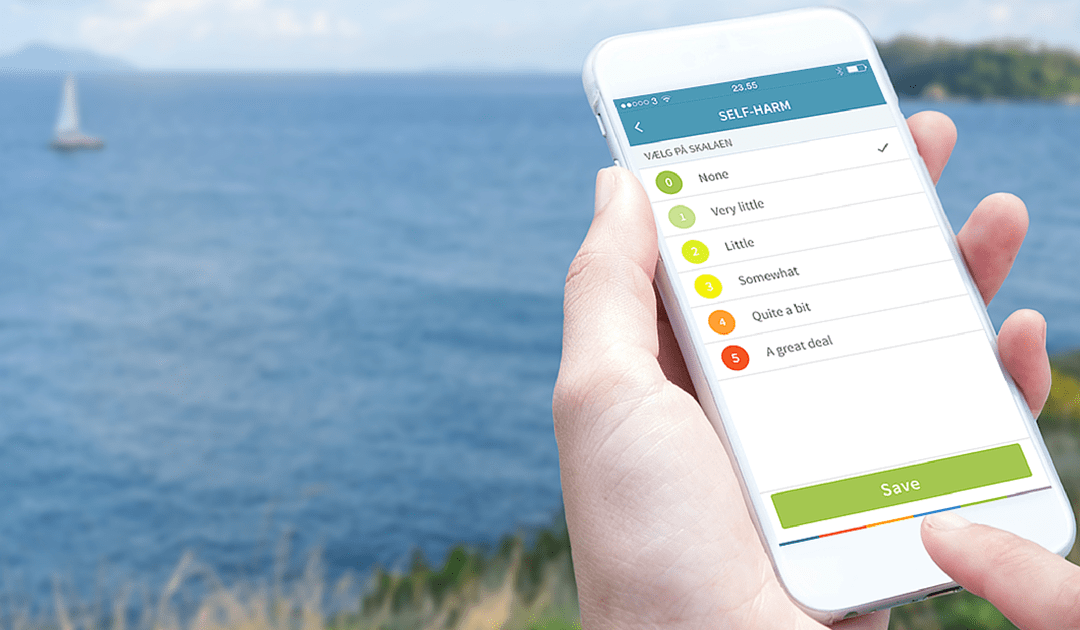
DBT uses skills training and self-monitoring as the pillar of treatment, teaching patients to regulate their emotions and reduce problem behaviour. Traditionally, self-monitoring was made through paper-based self-assessments. However, new technology has generated an alternative to ecological momentary assessments of problematic behaviours with the additional functionality of prompting patients to practice skills targeting emotion regulation.
Methods
Participants will be borderline patients from psychiatric DBT units. The study includes two phases: the first phase will be a three-month pilot study where patients will be randomised to use either the pen and paper version of the diary card or the Monsenso mHealth app. The number of missing data will be compared, and data quality of the app versus established clinical measures will be evaluated. User satisfaction will be assessed with focus group interviews.
The second phase will include a two-year multi-centre randomised controlled trial. In both conditions patients will be followed for one year. Half of the patients will receive the mHealth app that includes mobile DBT (mDBT) coaching suggestions and instructions on how to use it. The second half will be asked to download an app that only collects sensor data, but will continue to use the traditional paper-based self-assessments.
Expected results
The mDiary Study will prove that the Monsenso smartphone-based DBT is a reliable and valid way to collect patient-data, helping individuals learn these skills at home, speeding up their recovery.
To read the press release click here.
Jan 26, 2016
Monsenso will begin clinical trials to support the treatment of anxiety disorder in collaboration with The Mental Health Services in the Region of Southern Denmark (MHS).
The Anxiety Monitoring Study
The objective of the study is to implement and validate the Monsenso mHealth solution to support the treatment of anxiety disorders.
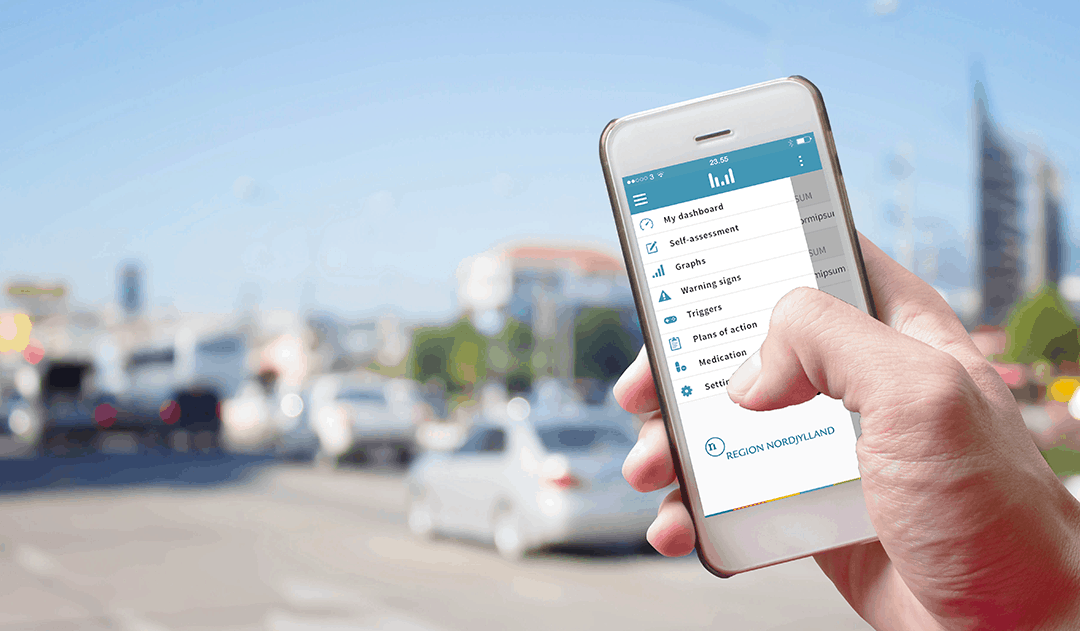
The Monsenso mHealth platform uses a double-loop treatment model to connect care providers and individuals. Currently, it is being used to collect patients’ self-rated status and sensor-based behavioural data on a daily basis.
Recent advances in mobile technologies have created more opportunities for assessments and treatments to be available to people in situations where they are most needed. Personal health technologies can collect patients’ self-rated status and sensor-based behavioural data (e.g., physical activity, phone usage, social activity) on a daily basis.
The information gathered this way provides feedback on treatment progress to both care providers and individuals. Moreover, it also supplies ecological momentary interventions (EMI), for instance, by prompting individuals to do assignments depending on the context and patients’ current status.
Regarding anxiety disorders, mobile health solutions can be useful in assisting patients to use skills learned during treatment in real life situations, as well as to monitor and give feedback on progress or lack of progress during therapy. This feedback leads to better outcomes for patients not responding well to treatment.
Pilot study: The feasibility of the solution will be evaluated using a qualitative and quantitative study without a control group involving 30 patients for three months examining usability and usefulness of the solution for both patients and clinicians.
Participants: Anxiety Patients in Routine and Special Care Settings in Southern Denmark.
Expected results: The study will result in the development of a solution based on user needs. The platform will be a feasible, usable and useful intervention.
Implementation: If the results of the feasibility study are promising, the study results will be used to improve the mHealth solution and develop version 2. Afterwards, a randomised controlled trial (RCT) will be conducted to examine outcome related effects of the solution, such as rate of recovery. If the feasibility and outcome of the RCT studies are positive, it is expected that there will be interest in implementing the mHealth solution in routine and specialized care settings around the world.
To read the press release, click here.
Jan 25, 2016
Copenhagen, Denmark – 25 January 2016. Monsenso ApS, a Copenhagen-based technology company, has been granted 1.575 million DKK to continue the research and development of the existing data-driven, cloud-based, mHealth solution for anxiety and borderline treatment.
The ENTER project (previously called E-Mental project), which has been granted an overall budget of 19 million DKK, is being done in collaboration with The Mental Health Services in the Region of Southern Denmark (MHS), the South Denmark University, Aalborg University, Context Consulting and Monsenso. Monsenso will be involved in two studies for the E-mental project:
The Anxiety Monitoring Study
The objective of the study is to implement and validate the Monsenso mHealth solution for anxiety disorders.
Mobile monitoring solutions can be useful in assisting patients in using skills learned during treatment in real life situations, as well as to monitor and give feedback on progress or lack of progress during therapy. This feedback leads to better outcomes for patients not responding well to treatment.
The mDIARY Study for patients with borderline personality disorder
The objective of the study is to prove that the Monsenso DBT (Dialectical Behavioural Therapy) solution is a reliable and clinically valid way to collect patient data, helping individuals learn these skills at home, speeding up their recovery.
The study will include a three-month pilot study where a randomized percentage of the patients will use either paper-based diary cards or the Monsenso mHealth app. Additionally, the study will also include a two-year randomized controlled trial. During this part of the study, half of the patients will be given an mHealth app that includes coaching suggestions while the second half will use paper-based self-assessments. The number of missing data will be compared, and data quality of the app versus established clinical measures will be evaluated. User satisfaction will be assessed with focus group interviews.
Additionally, a cost-effectiveness study will run in parallel to the main research. The objective of this study is to estimate the economic advantages of implementing the proposed e-mental health solution in the healthcare system.
E-mental health solutions have the potential to reduce the cost of treatment and to enable a larger number of people to be treated. The economic aspects should be adequately investigated with regards to cost-effectiveness as well as financial aspects of implementation in clinical practice. The study aims to determine the cost-effectiveness of Internet interventions compared to the most cost-effective treatment currently available.
With regards to the support obtained from the Innovation Fund, Thomas Lethenborg, CEO at Monsenso commented, “The mHealth solution developed by Monsenso has the potential to revolutionize the treatment of psychiatric illnesses. The support received from the Innovation Fund will provide us with the necessary evidence to validate our solution clinically and financially for the treatment of mental illnesses.”
To learn more click on this link:
For additional information contact:
Jennifer Highland
Marketing and Communications Manager
Monsenso
+45 81 71 7713
highland@monsenso.com You can download this article as PDF in English